Easy Drunken Noodles Recipe for Busy Weeknights
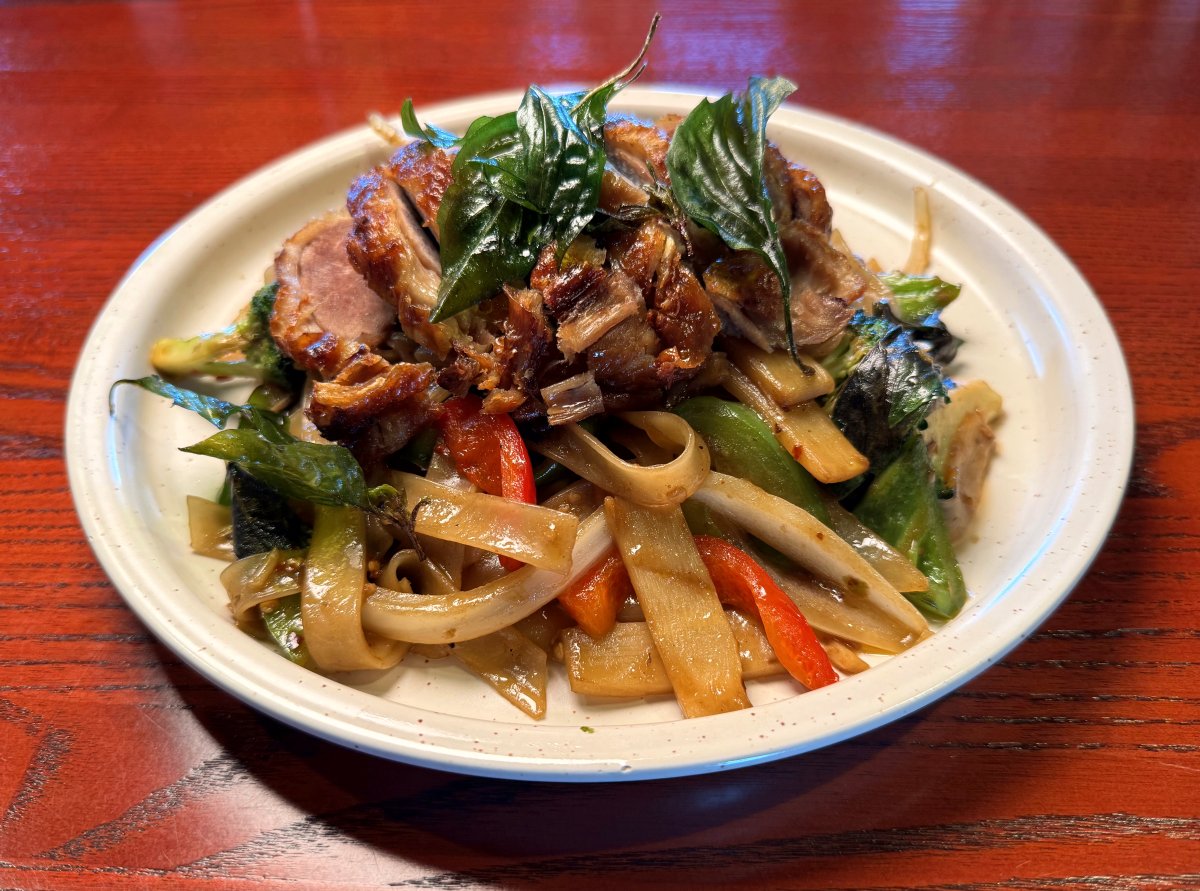

There are weeknight meals you cook because they are fast, and there are weeknight meals you cook because they are fast and still feel like dinner. Drunken Noodles belong in the second group. They come together quickly, they hit hard on flavor, and they do not leave you with a sink full of specialized equipment or a half-finished sauce project that drags into tomorrow.
What makes this dish so useful on a busy evening is the balance. You get chewy noodles, a glossy sauce, quick-cooked vegetables, fresh basil, and enough heat to wake everything up. The whole thing tastes like it took more effort than it did. That matters when you are tired, hungry, and not interested in hovering over the stove for an hour.
Despite the name, Drunken Noodles do not require alcohol. The dish, often associated with Thai pad kee mao, is known more for its bold seasoning than anything boozy. Depending on where you have eaten it, the version may lean sweeter, saltier, hotter, or heavier on basil. Restaurant styles vary a lot. Some use wide fresh rice noodles, some add more vegetables, and some crank the chile level until your scalp starts to sweat halfway through the bowl. At home, you get to set the dial where you want it.
For busy weeknights, that control is a gift. You can use chicken, shrimp, tofu, or simply more vegetables. You can keep it fiery or make it family-friendly. You can also have the entire thing on the table in about 25 minutes if you prep first and cook in the right order.
What makes a good weeknight version
A good home recipe has to be realistic. That means ingredients you can actually find, a method that works on an ordinary stove, and enough flexibility to absorb whatever is in your refrigerator. It also means understanding where to spend effort and where to cut corners without damaging the final result.
With Drunken Noodles, the effort belongs in two places: the sauce and the pan timing. The sauce needs enough depth to taste savory and rounded, not just salty. The cooking needs to move quickly so the noodles stay intact and the vegetables keep some bite. Everything else is negotiable.
I learned early on that the biggest mistake with this dish is treating it like a slow stir-fry. It is not. By the time the noodles hit the pan, the dish should be nearly assembled in your head. Sauce mixed, basil washed, aromatics chopped, protein sliced thin. If you stop to measure soy sauce while garlic browns, dinner goes sideways fast.
The ingredient choices that matter most
Wide rice noodles are the classic choice, and they are worth seeking out. Fresh rice noodles have the best texture for this dish, soft but resilient, with enough surface area to hold sauce. If you have access to them, use them. If not, dried wide rice noodles are completely fine for a weeknight version. Cook them just until flexible and tender, then rinse briefly if needed to stop the cooking. Overcooked noodles break apart in the pan, and once they turn gummy there is no rescuing them.
The sauce usually combines oyster sauce, soy sauce, a dark sweet note, and a bit of acidity. Fish sauce is common and useful, especially if you want that unmistakable Thai restaurant flavor. It adds depth more than fishiness, assuming you do not pour it in with a heavy hand. A touch of sugar rounds everything out, and chile brings the heat. Fresh Thai basil is the herb that makes the dish smell right, but regular basil can still produce a delicious pan of noodles if that is what you have.
Protein matters less than people think. Thinly sliced chicken thigh is forgiving and flavorful. Shrimp cooks in minutes. Firm tofu works well if you give it a hot pan and enough contact time to brown. Even leftover rotisserie chicken can work in a pinch, though it should go in late so it does not dry out.
Vegetables should be quick-cooking. Bell peppers, onions, snap peas, broccoli cut very small, green beans, or baby corn all fit. The goal is not to empty your produce drawer into the wok. The goal is to create contrast and keep things moving.
Ingredients for a reliable home batch
This version serves about four people, or two very hungry adults with leftovers for lunch.
- 8 to 10 ounces wide rice noodles, fresh or dried
- 1 pound boneless chicken thighs, thinly sliced, or substitute shrimp or tofu
- 2 tablespoons oyster sauce, 2 tablespoons soy sauce, 1 tablespoon fish sauce, 1 to 2 teaspoons brown sugar, and 1 tablespoon water mixed together
- 3 cloves garlic, minced, 1 to 3 Thai chiles or 1 teaspoon red pepper flakes, 1 small onion sliced, and 1 bell pepper sliced
- 1 generous cup Thai basil leaves, plus neutral oil for cooking and lime wedges for serving if you like
Those quantities give you a sauce that is assertive but not harsh. If your soy sauce runs particularly salty, use the lower end of the fish sauce range or add another splash of water. If you prefer sweeter restaurant-style noodles, add another half teaspoon to teaspoon of sugar. Small changes matter here.
How to cook it without turning it mushy
The pan work is fast, so read the sequence once before you start cooking.
- Prepare the noodles according to the package if using dried, and separate fresh noodles gently with your hands if using fresh. Mix the sauce in a small bowl, slice the protein thin, and keep the basil ready by the stove.
- Heat a large skillet or wok over high heat until it is very hot. Add a tablespoon or two of oil, then cook the chicken in a single layer until mostly done, about 3 to 4 minutes. Remove it to a plate if the pan feels crowded.
- Add a little more oil if needed, then stir-fry the garlic and chiles for about 20 seconds. Add the onion and bell pepper and cook until just tender but not limp, usually 2 to 3 minutes.
- Return the chicken to the pan, add the noodles and sauce, and toss firmly but gently until the noodles soften, absorb the sauce, and pick up some browning at the edges. This usually takes 2 minutes.
- Turn off the heat, fold in the basil, and serve immediately. The residual heat should wilt the leaves without dulling their fragrance.
That is the basic flow, and it works because each stage respects the ingredient. Protein gets proper searing time. Aromatics do not burn. Vegetables stay lively. Basil stays bright. If you throw everything in together, the noodles steam, the vegetables sag, and the whole dish slides toward cafeteria texture.
A few practical notes from the stove
Fresh rice noodles often arrive stuck together in dense sheets. Separate them gently. If they resist, a short rest at room temperature helps. Some cooks microwave them very briefly, around 10 to 20 seconds, just enough to loosen them. That works, but be cautious. Too much heat and they toughen or crack.
Dried rice noodles vary wildly by brand. Some need only soaking, others require boiling. What you want is slightly underdone before they hit the pan. If they are fully soft in the colander, they will likely overcook in the sauce.
A large skillet is often easier for home cooks than a wok, especially on a standard electric or induction stove. Restaurant wok cooking relies on intense heat most home burners cannot match. In a broad skillet, you get more direct contact with the metal, which helps with browning and reduces steaming. The best pan is the one that lets you cook quickly without overcrowding.
The flavor balance behind great Drunken Noodles
This dish lands when four things are in play at once: salt, sweetness, heat, and aromatic lift. If one is missing, the noodles taste flat. If one dominates, they taste clumsy.
Salt comes mostly from soy sauce, oyster sauce, and fish sauce. Sweetness is usually subtle, just enough to smooth the edges. Heat can come from fresh chiles, chile paste, or flakes. Aromatic lift comes from garlic and basil, with basil doing most of the heavy lifting in the final moments.
Acidity is optional but useful. A squeeze of lime at the table is not traditional in every version, but it can brighten a pan that feels heavy, especially if you used a richer protein or a generous amount of oil. I would not stir lime juice into the pan sauce early, because it can muddy the balance, but at the table it gives people control.
The reason many homemade versions disappoint is not a lack of ingredients. It is timid seasoning. Rice noodles are https://zionhkdv834.terracolumn.com/posts/best-vegetables-to-add-to-drunken-noodles bland by nature. They need enough sauce to season every fold and strand. At the same time, drowning them is no better. You want just enough liquid to coat and glaze, not pool at the bottom of the bowl.
Smart substitutions for a real weeknight
There is the ideal version, and then there is the version you make at 6:40 p.m. While answering a text and helping with homework. Both can be good.
If Thai basil is unavailable, use Italian basil and accept that the flavor shifts slightly. Thai basil has a distinct peppery, anise-like quality, but regular basil still contributes freshness and keeps the dish from tasting one-note.
If you do not keep fish sauce, increase soy sauce slightly and consider adding a small splash of Worcestershire sauce. It is not the same, but in a home kitchen it can restore some savory complexity. Use restraint. Too much and the sauce turns muddy.
If oyster sauce is a concern because of shellfish or diet, vegetarian mushroom-based stir-fry sauce is a useful substitute. It delivers body and sweetness that plain soy sauce cannot provide.
For vegetables, use what cooks quickly. Mushrooms are good if sliced thin and browned well. Zucchini can work, though it gives off water, so cook it over high heat and do not overdo the amount. Broccoli is excellent if cut into very small florets or pre-blanched. Thick carrot coins, on the other hand, are usually too slow unless shredded or cut into matchsticks.
Common mistakes and how to avoid them
The first mistake is crowding the pan. Crowding guarantees steaming, and steamed Drunken Noodles rarely taste exciting. If your skillet is small, cook the protein in batches or reduce the total volume slightly.
The second mistake is overcooking the noodles before they ever see the sauce. This happens constantly with dried rice noodles. Pull them early. They should finish in the pan, not the pot.
The third mistake is adding basil too soon. Basil loses its personality if cooked too long. A fresh handful at the end changes the entire dish, especially once the steam carries the aroma up from the bowl.
The fourth mistake is underestimating how much heat the chiles will bring. Fresh Thai chiles can vary a lot. Start lower if you are unsure, especially if children are eating. You can always add sliced fresh chile at the table. You cannot remove it once the sauce is fired up.
The fifth mistake is trying to make this dish while distracted and unprepared. This is one of those dinners where five calm minutes of setup saves fifteen chaotic minutes later. Put the sauce together first. That small act changes everything.
Making it work for different eaters
If you need a family-friendly version, reduce the chile in the pan and serve heat separately. A chile crisp or sliced fresh chile on the side works well. The dish still tastes complete because the garlic, basil, oyster sauce, and soy carry enough flavor.
For a vegetarian version, tofu is the obvious choice, but technique matters. Press it briefly, cut it into slabs or cubes, and brown it before adding other ingredients. If you skip the browning, tofu tends to disappear into the noodles as soft white punctuation rather than an ingredient with texture.
For shrimp, shorten the cooking time aggressively. Shrimp can go from tender to rubbery in under two minutes. I usually cook them until just shy of done, pull them out, then return them at the end while tossing the noodles.
If you are cooking for one or two, the recipe scales down well, though you still need a fairly hot pan. Leftovers are decent the next day, but this dish is best fresh, when the basil is vivid and the noodles still have spring.
How to serve it so it feels complete
Drunken Noodles are satisfying enough to stand on their own, especially if you built in plenty of vegetables and protein. If you want to round out the meal, keep the side simple. A crisp cucumber salad with rice vinegar, a quick plate of sliced tomatoes, or plain steamed greens all make sense because they cool the spice and add freshness without demanding more burner space.
Cold water is fine, but if the dish is particularly hot, iced tea works better than anything sweet and fizzy. The tannin cuts richness and the cold gives relief without amplifying the heat.
For presentation, pile the noodles into shallow bowls rather than plates if you can. Bowls hold heat better and help catch the extra basil and sauce. A lime wedge on the side is optional, but I like it when the peppers are especially sweet or the noodles run a little richer than expected.
Storage, leftovers, and reheating
Rice noodles do not have the same forgiving nature as wheat pasta. They can harden in the refrigerator and then soften unevenly when reheated. Still, leftovers are absolutely worth keeping if you handle them properly.
Store them in a covered container once cool, and eat within a day or two for best texture. To reheat, a skillet is better than the microwave. Add a teaspoon or two of water, cover briefly, and let the steam loosen the noodles before tossing. The microwave works in a pinch, but use short bursts and stir between them. Overheating makes the noodles brittle around the edges and gummy in the middle.
Fresh basil loses intensity overnight, so if you know you are planning for leftovers, reserve a small handful and add it fresh when reheating. That single detail can make day-old noodles taste far more alive.
Why this recipe earns a place in the rotation
Some dinners are valuable because they are cheap. Some are valuable because they are healthy. Some are valuable because they are comforting. Drunken Noodles are useful because they check several boxes at once. They are quick, flexible, deeply flavorful, and easy to adjust based on what you have on hand.
They also reward repetition. The first time, you may follow the recipe closely. The second time, you may swap the protein, add green beans, or use more basil. By the third or fourth round, the rhythm becomes second nature. Pan hot, sauce ready, noodles just tender, basil at the end. That is when this dish becomes a true weeknight staple rather than a one-off recipe you tried because it sounded good.
If you cook often, you start to recognize which recipes survive real life. They survive late meetings, tired evenings, and grocery runs that did not happen. This is one of them. A packet of rice noodles, a small bunch of basil, one decent sauce mixture, and a hot pan can carry dinner farther than most people expect.
And when it is done right, it does not taste like a compromise meal. It tastes like you meant to make it all along.
Nakhon Luang Thai Kitchen
Address: 805 Village Center Dr, Colorado Springs, CO 80919
Phone number: +17195315175
FAQ About Drunken Noodles
What makes it drunken noodles?
Drunken noodles, or Pad Kee Mao, get their name from the Thai word khi mao (meaning "drunkard"). They contain no alcohol. The name comes from the idea that the dish is a popular late-night meal to cure a hangover or a great food to eat with a cold beer.
What is the difference between pad see ew and drunken noodles?
While both Pad See Ew and Drunken Noodles use the same wide rice noodles, Pad See Ew is a mild, sweet-savory dish made with dark soy sauce and Chinese broccoli, whereas Drunken Noodles (Pad Kee Mao) are fiery, garlicky, and herbaceous with fresh chilies and Thai basil.
What are traditional drunken noodles?
Traditional drunken noodles, known as Pad Kee Mao in Thai, are a fiery, savory street food stir-fry made with wide flat rice noodles, fresh garlic, lots of hot chilies, meat or tofu, and fragrant holy basil. Despite the name, they contain no alcohol; the dish is traditionally eaten late at night or as a hangover cure because the intense spice helps clear the head.