Freshly Baked Cuban Favorites Available in Aurora CO
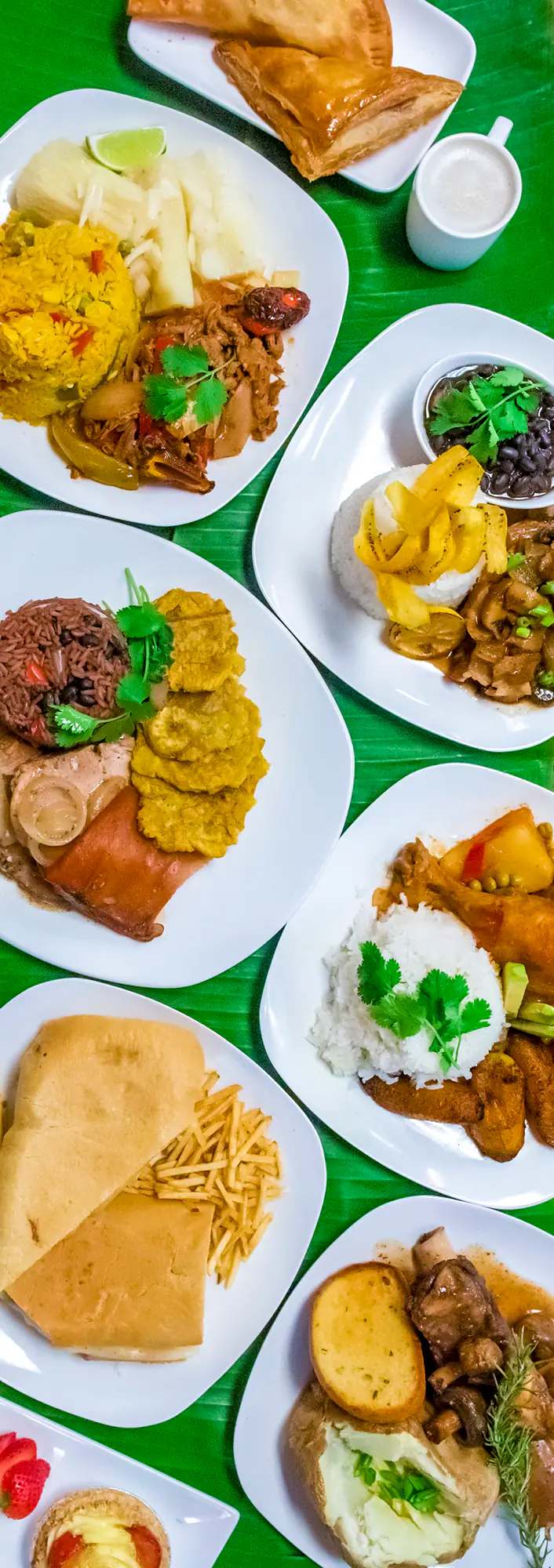
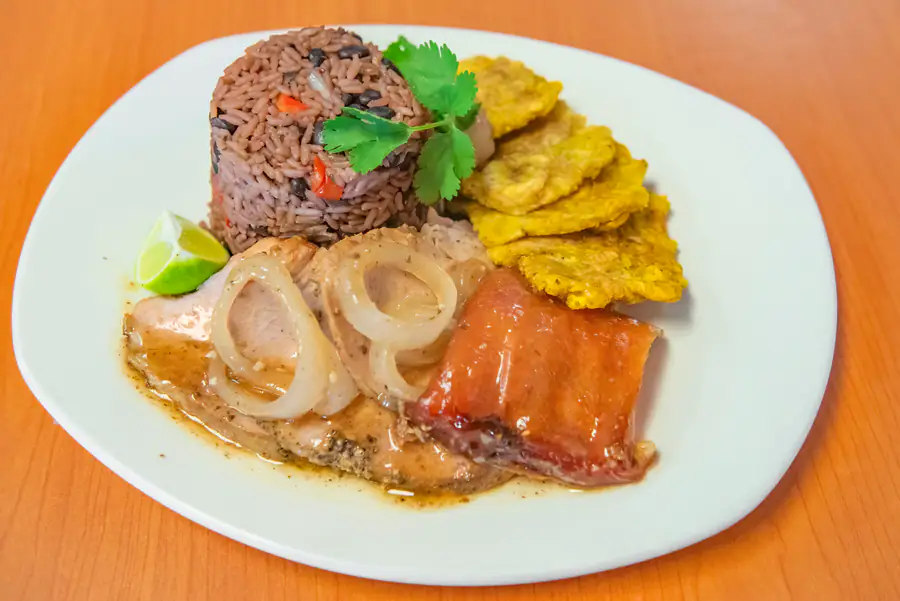
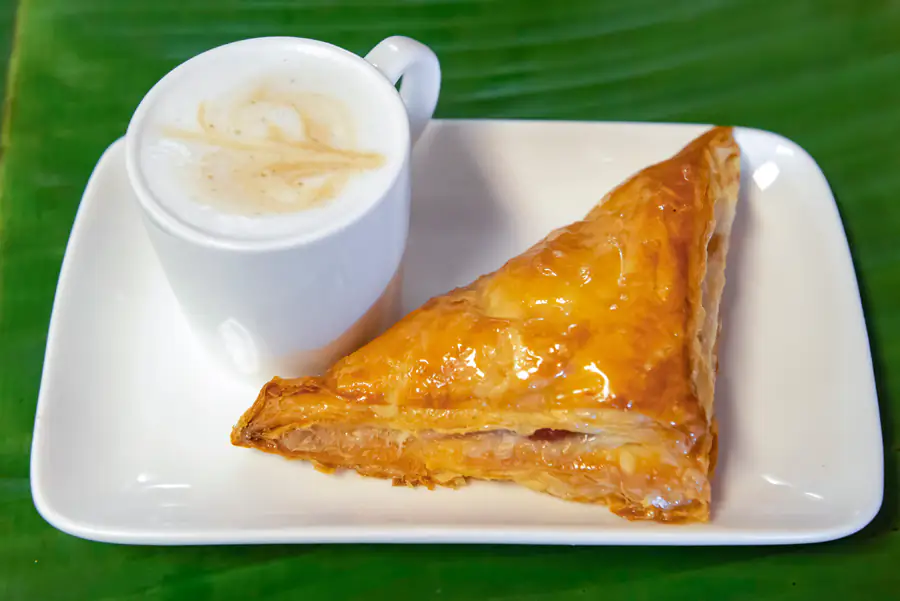
Aurora has never been a one-note food city. Its dining scene stretches across neighborhoods, languages, and family traditions, which is https://codysnyi952.westhavenscope.com/posts/the-ultimate-guide-to-cuban-sweets-in-aurora-co exactly why a great Cuban bakery feels so at home here. The appeal is immediate the moment you step inside. Warm trays come out of the oven. The pastry case fogs slightly from fresh guava turnovers. Someone orders café con leche and a toasted sandwich, and the whole room smells like butter, sugar, espresso, and baked bread.
For people searching for a Cuban bakery Aurora CO locals will actually return to, freshness matters more than anything else. Cuban baked goods are not just sweet treats lined up behind glass. They are part of a daily rhythm. Some are best in the morning, still flaky and crisp. Others hold up through lunch with a strong coffee. A few belong on a family table at the end of the day, cut and shared while people stand around talking longer than they planned.
That difference, between bakery as display and bakery as living routine, is what separates an average stop from a memorable one.
What makes a Cuban bakery distinct
A Cuban bakery carries its own logic. It is not quite the same as a French pastry shop, not the same as a Mexican panadería, and not just a standard American bakery with a few Latin items added to the menu. The best ones balance sweetness, richness, and practicality. You see pastries built for real life, for breakfast on the way to work, for bringing a box to an office, for grabbing a savory bite before errands.
Texture is a big part of the identity. Cuban pastries tend to lean on crisp laminated dough, tender enriched bread, and fillings that are bold without being cloying. Guava brings bright fruitiness. Cream cheese softens the sweetness and adds tang. Coconut can be lush or chewy depending on the recipe. Custard, puff pastry, sweetened bread, and flaky crust all show up regularly.
Then there is the savory side, which many newcomers underestimate. A Cuban bakery is often one of the best places to pick up a quick lunch, especially if the kitchen handles sandwiches and meat-filled pastries with the same care as dessert. Ham, roast pork, Swiss cheese, pickles, mustard, croquetas, and pressed bread belong in the same conversation as guava and sugar glaze. That balance is part of the culture. A serious sweet tooth helps, but it is not required.
The pastries most people look for first
If you are new to Cuban baked goods, a few classics tend to define the experience. Pastelitos are usually the first thing people notice, and for good reason. A well-made pastelito has visible layers, a delicate sheen on top, and enough structure to shatter lightly when bitten. Guava is probably the most recognizable filling, especially guava alone or guava with cream cheese. The pairing works because guava carries floral sweetness while the cheese keeps everything from tipping too sugary.
Coconut pastries have their own following. Some bakers make them dense and deeply caramelized, others keep them soft with a cleaner sweetness. Neither is wrong. It depends on whether you want something dessert-like or something that feels more like a sweet afternoon snack with coffee.
Cuban bread deserves more respect than it gets from casual visitors. Good Cuban bread should feel light for its size, with a crisp crust and a tender interior that can hold up in a pressed sandwich without turning tough. Freshness shows quickly here. Bread baked that morning has a fragrance and elasticity that fades by the end of the day. If a bakery is moving loaves fast, that is usually a good sign.
Many bakeries also offer cakes and celebration desserts rooted in Latin tradition. These can range from airy sponge cakes with fruit filling to richer iced cakes ordered for birthdays, baptisms, and family gatherings. The style is often less about dramatic decoration and more about familiar flavor, something that pleases a crowd rather than trying to shock anyone.
Why freshness changes everything
Freshness is not a marketing phrase in a bakery. It is the difference between a pastry that earns silence at first bite and one that gets left in the box. Cuban pastries especially have a short window where they are at their best. Puff pastry likes to be eaten when the layers still feel dry, crisp, and buttery. Filled pastries can become heavy if they sit too long in humid display conditions. Bread has its own schedule. Sandwich bread wants to be fresh enough to press well, but not so delicate that it collapses under heat.
That is why regular customers learn a bakery’s timing. Some places are strongest in the early morning, when the first trays hit the case. Others replenish closer to lunch because they know commuters, tradespeople, hospital staff, and office workers are stopping by later. If you have ever walked into a bakery just as a fresh batch lands, you know how quickly line behavior changes. People who planned to buy one item suddenly leave with six.
There is also the matter of how pastry should feel in the hand. A guava pastelito should not sag. The top should have life to it. A savory pastry should still taste like the butter or fat in the dough is doing real work, not just adding greasiness. Fresh bread should release aroma when torn. Those sound like small details, but small details are the whole game in a bakery.
What to expect from a good Cuban bakery in Aurora
Aurora diners are not short on choices. That pushes neighborhood bakeries to be better, and it benefits anyone looking for authentic baked goods without driving across the metro area. A strong Cuban bakery in Aurora usually serves more than one kind of customer at once. There is the person grabbing breakfast before work, the family buying a mixed pastry box, the regular who wants a sandwich and espresso, and the host who needs dessert for a weekend gathering.
Because Aurora is spread out and highly residential in many pockets, convenience matters too. Bakeries that succeed here often understand that customers may be passing through between school drop-off, a warehouse shift, a medical appointment, or a soccer practice. Fast service helps, but speed should not flatten the experience. People still notice whether staff can explain what is in a pastry, recommend something less sweet, or tell you when the next tray is coming out.
One thing experienced bakery customers learn quickly is that a full case at 3 p.m. Is not always a virtue. Sometimes the best bakeries sell through key items. You would rather hear, “those guava pastries are gone, but another batch will be ready soon,” than stare at a display that looks untouched all day. Turnover matters.
The role of coffee, and why it belongs in the same order
Cuban bakery culture and coffee culture are tightly linked. It is hard to talk about one without the other. Even a simple pastry tastes different next to a proper café con leche or a small, strong Cuban-style espresso. Sweetness in the pastry can soften the intensity of the coffee, while the coffee sharpens butter, fruit, and toasted notes in the dough.
This matters for first-time visitors because ordering coffee with your pastry is not just an extra purchase. It completes the experience. A warm guava and cheese pastry with hot coffee is balanced in a way that a cold bottled drink rarely achieves. The same goes for savory items. A pressed sandwich and a sweet coffee is a combination that has kept people happy through long workdays for generations.
Good bakeries understand pace here. Not every customer wants to sit down, but the option to pause for ten minutes changes the mood of the visit. You stop thinking like a shopper and start noticing the crust on the bread, the sound of the press, the smell of sugar warming under lights, the conversations around you. That is when a bakery becomes part of neighborhood life rather than a transaction.
Sweet and savory, both belong on the table
People unfamiliar with Cuban bakeries sometimes make the mistake of treating them as dessert-only destinations. That misses half the point. The savory side can be just as satisfying, especially if the bakery takes sandwiches seriously.
A Cuban sandwich done well depends on details that are easy to get wrong. The bread must crisp under the press without turning brittle. The roast pork should be seasoned enough to stand next to ham and mustard. Pickles need to cut through the richness. Swiss cheese should melt fully, not sit in cold slices. None of this is glamorous, but it is technical. When each piece is right, the sandwich tastes larger than the sum of its parts.
Savory pastries deserve the same attention. Meat-filled pastries can be a practical lunch if the filling stays moist and the seasoning is clean. Croquetas, often enjoyed as a snack or side, should have a delicate crust and a creamy interior, not a paste-like center. These are the items regulars order without overthinking because they know they travel well and satisfy quickly.
For office meetings or family gatherings, a mixed box usually works better than choosing only sweets. One of the smartest bakery orders is a balanced spread like this:
- Guava pastries for the traditionalists
- Guava and cheese for people who want contrast
- A savory pastry option for lunch-minded guests
- Fresh bread or pressed sandwiches for substance
- Coffee to tie the whole thing together
That kind of order reflects how people actually eat. Not everyone wants sugar at the same moment, and a bakery that handles both sides well earns a broader customer base.
How locals judge quality without overcomplicating it
You do not need formal training to tell whether a bakery is doing good work. Most of the signs are practical. The display case should look maintained, not tired. Items should be clearly distinguishable from one another. Pastries that are supposed to be flaky should still look crisp, not damp. Staff should know what came out recently and what is likely to sell out first.
Regular customers also watch what other customers are buying. If people are coming in for boxes rather than single pastries, that usually signals trust. Large orders suggest that the bakery has become someone’s default for hosting, birthdays, church gatherings, or break-room treats. That does not happen by accident.
A few questions can tell you a lot without sounding fussy:
- What came out fresh this morning?
- Which pastry is your most popular?
- Is the Cuban bread baked today?
- Do you recommend anything less sweet?
- When is the next batch ready?
The answers matter, but so does the confidence behind them. A bakery that knows its product usually answers directly, often with a personal recommendation.
Timing your visit for the best selection
If your goal is the widest choice, morning is usually the safest bet. That is when breads are freshest and the case is most complete. If you are after specific hot items, though, it can pay to learn the bakery’s rhythm rather than showing up at random. Some places restock through late morning and lunch, especially on busy days. Others do a strong morning bake and taper after midday.
Weekends are their own category. Families buy in larger quantities, and favorites can disappear early. On the other hand, the energy tends to be better. The bakery feels lived in, with more conversation and more turnover. If you like food at its most social, that is often the best time to go. If you want a quiet minute to ask questions and look around, a weekday midmorning may suit you better.
Weather matters more than people think, too. Colder days tend to increase demand for coffee, warm pastries, and hearty sandwiches. During holidays, special orders can shrink the walk-in selection. Anyone buying for a party should call ahead if possible, especially if bread, cakes, or larger pastry quantities are involved.
Why Cuban baked goods travel so well in a city like Aurora
Aurora is a city of movement. People commute, shuttle kids between activities, work long shifts, and meet relatives across different parts of town. Cuban bakery items fit that pattern because many hold up well for short trips and casual sharing. A pastry box in the front seat can turn an ordinary visit into hospitality. Fresh bread can anchor dinner without much effort. Sandwiches can feed a group quickly when plans run late.
This portability is one reason the Cuban bakery Aurora CO search brings in such a wide range of customers. Some are looking for nostalgia and familiar flavors from home. Others simply want something more interesting than chain breakfast pastries or generic lunch options. Both groups tend to appreciate the same thing in the end, which is food made with enough care that it still tastes thoughtful after the drive back.
There is also a practical generosity built into bakery food. You can show up at someone’s house with a box of pastelitos and instantly improve the day. You can bring a loaf of bread, coffee, and sandwiches to a work crew and know it will disappear. Few foods bridge casual and celebratory occasions as well as bakery food does.
The quiet importance of tradition
Tradition in a bakery is not just about old recipes, though recipes matter. It is also about repetition, consistency, and memory. People return for the pastry that tastes like the one they had as a child, or the sandwich they used to grab after church, or the coffee that reminds them of a relative’s kitchen. Those connections are deeply personal, and they can be hard to fake.
At the same time, a bakery in Aurora is serving a diverse public, not only Cuban customers. That creates an interesting balance. The best shops stay true to essential flavors and methods while remaining welcoming to people trying these foods for the first time. They explain without lecturing. They offer guidance without making anyone feel out of place. That kind of hospitality is part of the craft.
You see it in small moments. A staff member recommends guava and cheese to someone unsure what to choose. A child points to the brightest pastry in the case and leaves with sugar on their fingertips. A regular orders the usual without needing to repeat it. Those scenes are ordinary, but they are the reason neighborhood bakeries matter. They create continuity in a fast-moving city.
Finding the right bakery for your taste
Not every customer wants the same thing, and that is worth acknowledging. Some people prefer pastries that lean sweeter and more decadent. Others want cleaner flavors and lighter textures. Some care most about the bread because sandwiches are the main event. Others are hunting for a cake for a milestone celebration. There is no single perfect bakery for every person or every occasion.
That is why a first visit should be treated as reconnaissance rather than a final judgment. Try one classic sweet item, one savory item, and a coffee. Notice what the bakery seems proud of. Pay attention to what locals are ordering. If the place shines in one area more than another, that is useful information, not a flaw. Many beloved bakeries are famous for a handful of things they do exceptionally well.
A strong bakery earns repeat visits not by doing everything, but by doing key things dependably. Fresh pastry, good bread, proper coffee, and warm service will carry a place a long way.
Where the craving usually leads
For many people, the craving starts with something specific. A guava pastry. A pressed sandwich. The smell of butter and sugar on warm dough. Once that craving hits, only the real thing will do. Aurora is the kind of city where that search makes sense, because its food culture rewards neighborhoods that keep tradition alive while serving a modern, busy community.
A good Cuban bakery offers more than a pastry case. It offers rhythm, comfort, and a style of hospitality built around everyday pleasure. Fresh bread on the counter. Coffee poured hot. Pastries still crisp from the oven. Savory options that make lunch easy. Sweets that feel festive even on an ordinary Tuesday.
That is what people are really looking for when they seek out a Cuban bakery Aurora CO residents trust. Not novelty for its own sake, and not a picture-perfect dessert that looks better than it tastes. They want food with personality, made fresh enough to matter, served in a place that understands why these favorites have lasted so long. When you find that, you do not just stop in once. You build it into your week.
Cuba Bakery & Café
15028 E Mississippi Ave, Aurora, CO 80012
+1 303-752-2822
FAQ About Cuban bakery Aurora CO
What are Cuban pastries called?
Many small Cuban pastries are called pastelitos. They can have sweet or savory fillings, such as guava, cheese, guava and cheese, or seasoned meat. Cuba Bakery & Café lists guava, cheese, guava-and-cheese and beef pastries on its menu. Ask the bakery about current availability and ingredients when ordering.
What are traditional Cuban pastries?
Common Cuban bakery choices include flaky pastelitos filled with guava, cheese or meat. Cuban bakeries may also offer empanadas, breads and desserts alongside coffee. Cuba Bakery & Café lists pastelitos, several empanada fillings, pan Cubano and desserts such as tres leches and bread pudding. Selection can vary, so confirm the day's choices with the bakery.
What makes Cuban bread different?
Cuban bread is known for its light interior and a thin crust that becomes crisp when toasted or pressed. Traditional recipes often use lard, although ingredients vary by baker. It is commonly served as buttered toast or used for Cuban sandwiches. Cuba Bakery & Café lists pan Cubano and tostada on its menu; ask staff about the ingredients in their bread if you have dietary restrictions.