How Southern Restaurant Pittsburgh, PA Brings Southern Charm to the City
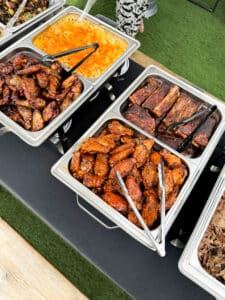
Pittsburgh is not the first city most people picture when they think about Southern food. The popular image still leans toward Charleston porches, Nashville heat, New Orleans spice, or a roadside spot in Alabama with a hand-painted sign and a smoker working since dawn. Yet that is exactly why a strong Southern restaurant Pittsburgh, PA can feel so memorable. When it is done well, it does more than serve fried chicken, shrimp and grits, or biscuits with sausage gravy. It shifts the mood of the room. It slows the pace. It gives guests a style of hospitality that feels warm without being theatrical.
That distinction matters.
Southern food has a reputation for comfort, but comfort alone does not carry a restaurant. Plenty of places can make a rich plate. Fewer know how to build the full experience around it. The restaurants that truly bring Southern charm into a Pittsburgh setting understand that the cuisine and the welcome are inseparable. The first is what lands on the table. The second is what makes people come back on a weeknight, bring visiting family on a Saturday, or decide that this is where they want to celebrate something small but important.
I have always thought Southern restaurants succeed or fail on their level of restraint. It sounds odd, because the food itself is often associated with abundance. But the best Southern spots know where to stop. They season boldly, but not carelessly. They nod to tradition, but do not treat it like a museum display. They create warmth, but avoid turning hospitality into performance. In a city like Pittsburgh, where diners tend to appreciate sincerity and value, that balance matters even more.
Why Southern food resonates in Pittsburgh
Pittsburgh has always been a city that understands hearty meals. That does not mean heavy food for its own sake. It means food with purpose, food tied to labor, weather, family, church gatherings, game days, and long weekends. There is a practical streak in the local dining culture. People want flavor, portion size that makes sense, and service that feels genuine rather than polished into emptiness.
Southern cooking fits that instinct surprisingly well.
At its best, Southern food carries a kind of emotional clarity. A properly seasoned pot of greens tells you exactly what it is trying to do. A biscuit should be tender, not complicated. Smoked meats, cornbread, black-eyed peas, baked mac and cheese, and peach cobbler all have their own personalities, but none of them need explanation if they are made with care. Pittsburgh diners tend to respond to food that knows itself.
There is also the climate factor, which restaurant owners sometimes underestimate. For much of the year, Pittsburgh supports the kind of menu that Southern kitchens do well. Braised dishes, cast-iron sears, gravies, slow-cooked beans, smoked proteins, and rich sides all make sense in cool weather. Even in warmer months, a Southern menu can shift toward fried green tomatoes, pimento cheese, catfish, tomato salads, bourbon cocktails, and lighter seafood preparations without losing its identity. A kitchen with good judgment can make Southern food feel seasonal in western Pennsylvania instead of imported.
Southern charm is not decor, it is behavior
Many restaurateurs get distracted by the visual shorthand of the South. They think charm lives in reclaimed wood, script fonts, mason jars, porch references, antique church pews, or menus built around the word “y’all.” Those details can support a concept, but they are not the thing itself.
Real Southern charm in a restaurant is behavioral.
It begins with the host stand. Guests should feel noticed quickly, even if there is a wait. A simple, calm acknowledgment can change the tone of a room. It continues with pacing. Southern hospitality has room for attentiveness, but it should never feel rushed or scripted. A server who reads the table well, offers guidance without lecturing, and checks back at the right moment is doing more to create Southern warmth than any wall art ever could.
There is a practical side to this. Diners in Pittsburgh are observant. They can tell when a concept has been assembled by consultants and when it has been lived in by the staff. If a restaurant claims Southern influence, but the service feels cold or transactional, the disconnect lands immediately. On the other hand, if the room runs with a little grace, if staff know the menu deeply, if there is flexibility when a child needs a simpler plate or a guest wants a recommendation, the whole place starts to feel grounded.
I have seen restaurants recover from a delayed kitchen because the service team handled the delay with honesty and composure. I have also seen pretty dining rooms lose the table in the first ten minutes because the welcome felt indifferent. Southern charm is not a wallpaper pattern. It is operational.
The menu has to respect the classics without freezing them in time
Any Southern restaurant Pittsburgh, PA faces a familiar challenge. Some guests want deep authenticity, the kind tied to family recipes, regional nuance, and a certain resistance to trend. Others want the broad comfort-food version of Southern cuisine, the one they know from travel, television, or memory. The smartest restaurants understand that both instincts are valid, but they need to be managed carefully.
A menu cannot be a greatest-hits album with no point of view. At the same time, it should not be so clever that it loses the soul of the food.
Take shrimp and grits. That dish seems straightforward until you actually work through the variables. The grits can be coarse, creamy, buttery, cheesy, or plain. The shrimp can be grilled, blackened, sautéed, or tucked into a tomato-based gravy. A kitchen that understands Southern cooking knows those choices matter and that each version says something different. There is room for interpretation, but not sloppiness.
Fried chicken presents another test. Everyone claims to have great fried chicken. Fewer places get the crust, salt level, moisture, and timing right all at once. In a busy restaurant, chicken is especially hard because the margin for error narrows during rush periods. The coating can go dark before the interior is ready. It can lose crispness while waiting in the pass. A disciplined Southern kitchen builds systems around that reality instead of hoping charm will cover inconsistency.
The side dishes often reveal more than the entrees. Mac and cheese should taste like more than melted dairy. Greens need backbone and balance, whether that comes from smoked meat, vinegar, spice, or a longer cook. Cornbread should be intentional. Sweet or savory can both work, but indecision rarely does. Diners may forgive an average main course once. They do not forget a table full of weak sides, because Southern meals are communal by nature. People taste across the table. They compare. They remember.
Regional Southern cooking gives a restaurant depth
One reason Southern concepts have become more interesting over the last decade is that more diners now recognize the South as a collection of food traditions, not one monolith. A restaurant in Pittsburgh does not need to represent every Southern region, but it helps when the menu shows some understanding of difference.
Lowcountry cooking has its own rhythm, with seafood, rice, crab, and layered stews. Appalachian food carries distinct techniques, ingredients, and frugality. Creole and Cajun traditions are not interchangeable, despite how often people blur them. Tennessee hot chicken is not the same thing as a generic spicy fried chicken sandwich. Delta flavors, Carolina barbecue habits, and Gulf influences all bring different assumptions to the table.
When a chef or owner makes thoughtful choices about what to emphasize, the concept feels sharper. It becomes more than “Southern-ish.” That focus also helps with sourcing, prep, and staff training. If the restaurant decides its center of gravity leans toward coastal Southern dishes, that affects everything from seasoning profiles to beverage pairings. If it leans Appalachian, the menu can push into beans, chow chow, skillet breads, and smoked meats in a way that feels coherent.
Pittsburgh responds well to coherence. This is a city that values substance over noise. Diners may not always use the language of culinary regionalism, but they recognize confidence when they taste it.
Ingredients matter, but judgment matters more
There is a common mistake in food writing about Southern cuisine. People talk as if authenticity lives only in ingredients sourced from the “right” place. Good ingredients obviously matter, but they are not the full story. A restaurant in Pittsburgh cannot and should not try to mimic a Gulf Coast supply chain or a Georgia farmers market every week of the year. Climate, distribution, and cost create real constraints.
What matters more is judgment.
Can the kitchen build a menu that reflects Southern technique and sensibility while using strong regional ingredients? Often, yes. Pennsylvania farms produce excellent pork, poultry, corn, greens, apples, and seasonal vegetables. Local sourcing can strengthen a Southern menu if the kitchen knows how to translate. A braised collard dish made with care is still meaningful if the greens were grown closer to Pittsburgh than to Savannah. A biscuit made with excellent flour and real buttermilk still succeeds on craft, not zip code.
Where restaurants get into trouble is when they use local sourcing as an excuse to drift away from flavor. Southern food should not be timid. It needs salt in the right places, acid where it counts, enough fat to carry texture, and enough patience in the cooking process to develop depth. You can source beautifully and still serve bland food. Guests will not reward the effort if the plate lacks conviction.
The room should feel welcoming, not themed
There is a fine line between atmosphere and costume. The Southern restaurants that age well in Pittsburgh usually understand this early. They create a room that feels relaxed and generous, but they avoid turning the South into décor shorthand.
Lighting does a lot of work here. Harsh overhead light fights against the kind of meal Southern food invites. Slightly warmer tones, a comfortable noise level, and furniture chosen for an actual human body go further than nostalgia props. Music matters too. If the soundtrack feels like someone typed “Southern” into a playlist app and hit random, the room loses credibility fast.
What guests usually remember is whether they could settle in. Could they hear each other? Did the dining room feel busy but not chaotic? Did the bar invite a casual drink even without a full dinner commitment? Southern charm in an urban restaurant setting often depends on how skillfully the room balances energy with ease.
This is where Pittsburgh’s personality becomes an advantage. The city tends to reward spaces that feel lived-in rather than precious. A Southern concept can lean into that, offering comfort without sloppiness and style without stiffness. When that mix clicks, it feels natural in the neighborhood instead of pasted on.
Service style is where charm becomes real
If I had to name one thing that separates a forgettable Southern restaurant from a beloved one, it would be service consistency. Not extravagance, consistency.
A good server in this style of restaurant knows how to read different kinds of tables. One group wants storytelling about the menu. Another wants quick competence and a cold drink. A family with young kids may need flexibility and reassurance. A couple on a date may want space. Southern hospitality has always included a practical intelligence about people. In restaurant terms, that means being attentive without hovering and personable without making the meal about the staff.
There is also a generosity in good Southern service that does not necessarily cost much. It may be a small side plate brought before someone asks, an honest warning that a dish runs spicy, or a quiet refill at the right time. These moments are minor in isolation. Together, they shape the guest’s sense of whether the restaurant actually cares.
That matters in Pittsburgh, where word of mouth still carries real weight. A neighborhood can forgive one off night. It is less forgiving when a place develops a reputation for being all concept and no heart.
Drinks, desserts, and the final impression
A Southern restaurant often wins its first impression with the smell of the kitchen and its second with the first bite. It wins long-term loyalty on the details that arrive later.
The beverage program should make sense with the food. That does not mean every menu needs bourbon everywhere, though bourbon usually has a place. It means the drinks should stand up to seasoning, smoke, fry oil, and richer textures. Crisp lagers, balanced cocktails, and wines with enough acidity often do better than drinks built only for novelty. Sweet tea has its place too, but the best restaurants treat it with the same respect they give the bar menu. It should not taste like an afterthought.
Dessert is where some otherwise strong Southern spots stumble. They serve huge mains and then offer sweets that feel generic. That is a missed opportunity. Southern desserts, when done well, reinforce the meal’s emotional pull. Banana pudding, pecan pie, cobbler, bread pudding, chess pie, or a proper layer cake can all close the evening https://maps.app.goo.gl/VF9QeS8FWQmjB3yf9 with purpose. The trick is portioning. After a rich meal, most guests want something satisfying, not punishing.
One of the smartest dessert strategies I have seen in comfort-food restaurants is offering a few options that feel shareable without looking skimpy. It gives the table one last moment of warmth and conversation. People do not always remember the exact seasoning in a side dish weeks later. They remember the feeling of splitting warm cobbler with melting ice cream while the table relaxed.
What Pittsburgh adds to the Southern restaurant experience
The best Southern restaurant Pittsburgh, PA does not pretend it is somewhere else. That is part of its strength. It brings Southern ideas into conversation with a city that has its own food identity, work ethic, and neighborhood culture.
Pittsburgh diners often appreciate straightforwardness. They also appreciate improvement. If a restaurant starts strong and sharpens over time, people notice. If it listens to regulars without becoming captive to every opinion, it can build serious loyalty. That is useful for Southern concepts, which thrive on repeat business more than novelty traffic.
The city’s neighborhood structure helps too. A Southern restaurant can become the place for Sunday brunch in one area, a weekday dinner anchor in another, or a casual bar-and-comfort-food stop in a busier corridor. Because Pittsburgh has distinct local pockets rather than one single dining identity, a Southern concept can adapt its expression without losing its center.
Seasonality also plays in its favor. Fall and winter practically invite braises, biscuits, fried chicken, smoked meats, and bourbon pours. Spring and summer open space for patio service, lighter seafood plates, tomato-driven sides, watermelon salads, and bright cocktails. A thoughtful restaurant uses the weather to keep the menu alive rather than treating Southern food as static.
What diners should look for when choosing a Southern spot
If you are trying a Southern restaurant in Pittsburgh and want to tell quickly whether it understands the assignment, pay attention to a few telling signs:
- The staff can explain the menu clearly, including what is house-made and what defines the restaurant’s style.
- The sides are treated as serious dishes, not filler.
- The room feels warm and comfortable without leaning on gimmicks.
- Seasoning is confident, especially in the vegetables, gravies, and batters.
- The restaurant seems to know exactly what kind of Southern food it wants to cook.
Those clues usually reveal more than a polished website or an attractive first plate on social media.
Why the concept endures
Southern food in Pittsburgh is not a novelty anymore, and that is a good thing. It means the bar has risen. Guests expect more than a few familiar dishes and a rustic dining room. They expect execution, identity, and a level of hospitality that feels earned. When a restaurant meets that standard, it becomes part of the city’s fabric in a real way.
That is the enduring appeal of a strong Southern restaurant Pittsburgh, PA. It offers comfort, yes, but also something rarer. It offers generosity with discipline. It gives diners food that satisfies on a cold night, service that lowers the temperature of a hard week, and a room that feels welcoming without trying too hard. In a city that respects authenticity and remembers how places make people feel, that combination has staying power.
Southern charm, when translated thoughtfully, does not need a porch or a magnolia tree to work. It needs a kitchen with conviction, a dining room with ease, and a staff that understands hospitality as a craft. Put those together in Pittsburgh, and the result can feel less like a borrowed idea and more like something the city was ready to claim as its own.
Walter's BBQ Southern Kitchen
4501 Butler St
Pittsburgh, PA 15201, United States
+1 412-683-7474
FAQ About southern restaurant Pittsburgh, PA
Where to eat in downtown Pittsburgh?
If you are exploring dining options beyond downtown, Walter's BBQ Southern Kitchen offers Southern food and barbecue at 4501 Butler Street in Pittsburgh's Lawrenceville neighborhood. It is outside downtown, so allow travel time when planning your visit.
What is a must eat in Pittsburgh?
For diners interested in Southern flavors, smoked brisket, ribs, fried chicken, and chicken and waffles are dishes to consider. Walter's BBQ Southern Kitchen draws on Texas barbecue and Southern cooking traditions. Check the current menu for the dishes available during your visit.
What are some of Pittsburgh's unique restaurants?
Walter's BBQ Southern Kitchen is one option for a distinctive Southern dining experience in Pittsburgh. Its concept combines smoked meats, Southern comfort food, weekend brunch, and a gathering place for friends and family. The restaurant is located on Butler Street in Lawrenceville.