Jamaican Food in Denver: A Delicious Guide to Caribbean Eats
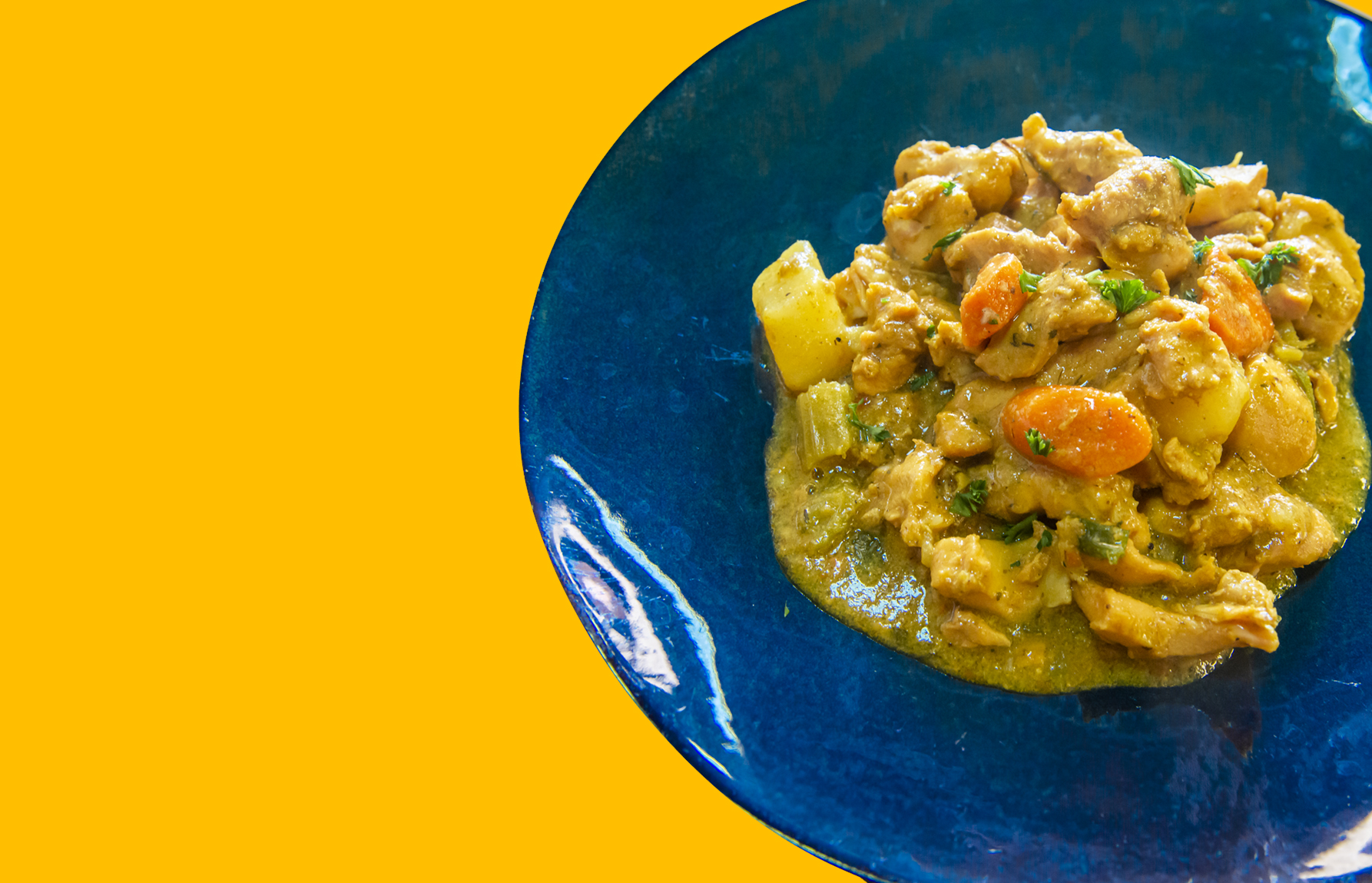
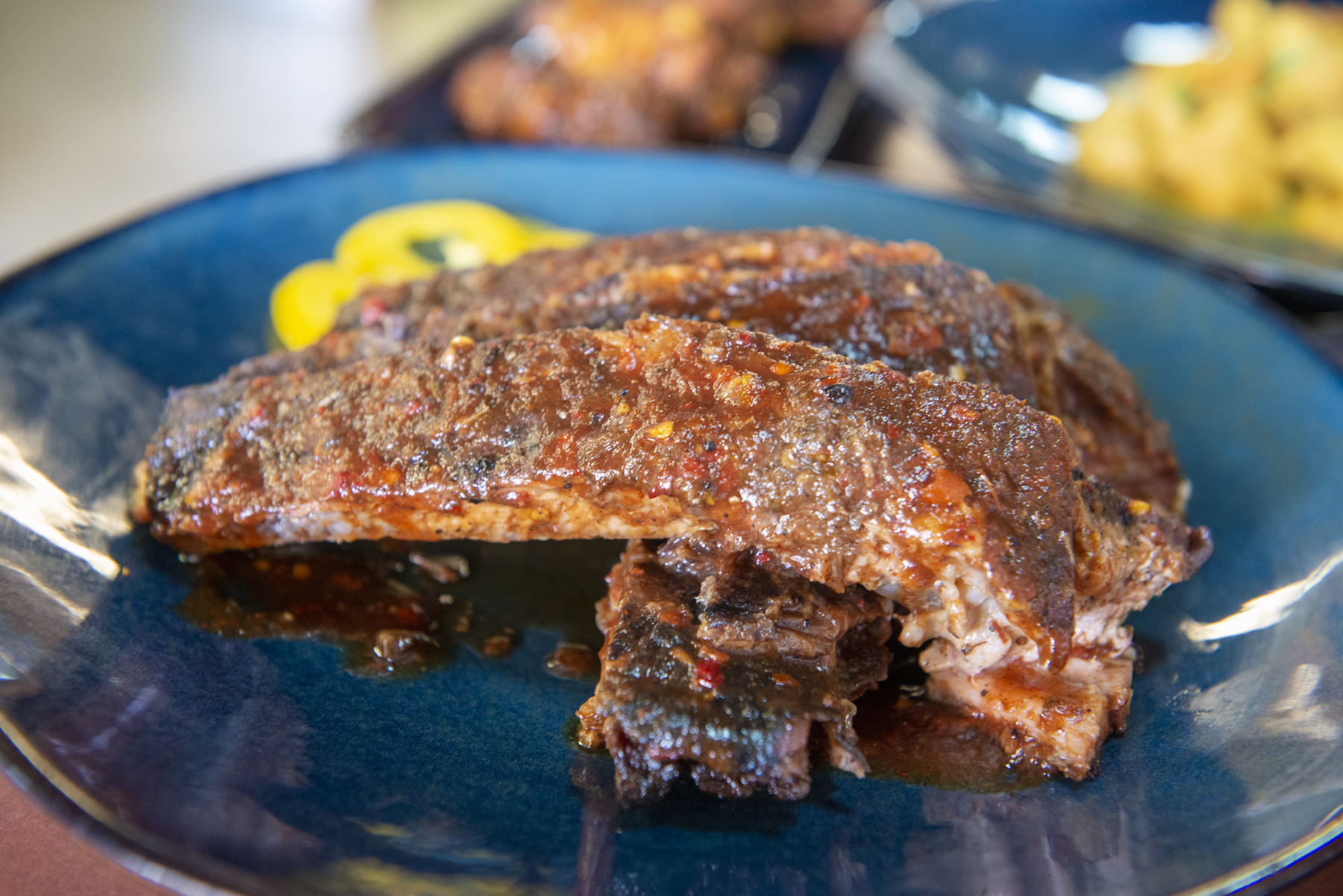
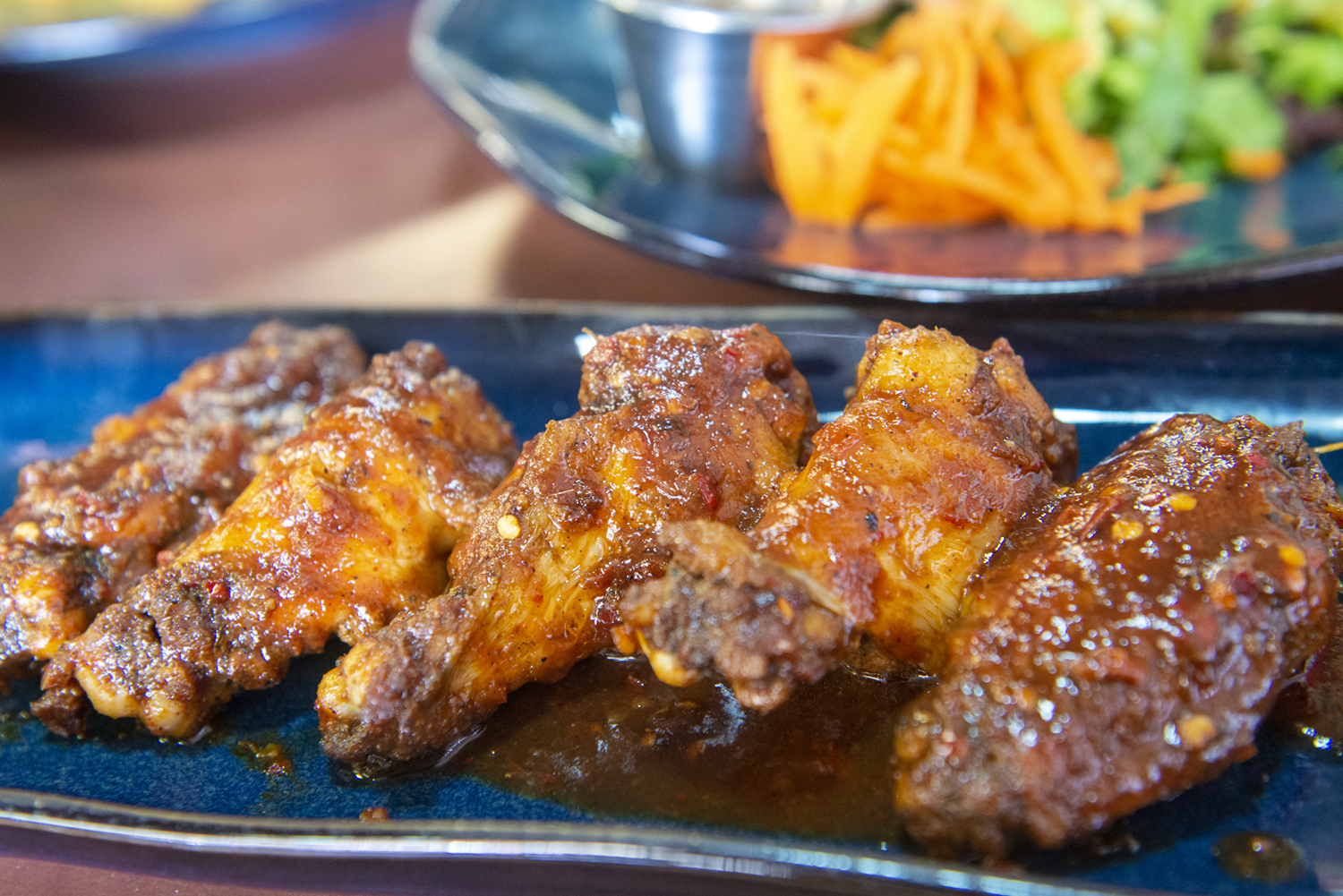
Denver is not the first city most people name when they think about Caribbean cooking. They think of Miami, Brooklyn, Toronto, maybe parts of South Florida where jerk smoke seems to drift through whole neighborhoods. Yet the local food scene has matured in ways that surprise people, and Jamaican food in Denver has earned a loyal following among diners who want bold spice, deep braises, flaky patties, and the kind of comfort food that lingers in memory long after the plate is cleared.
That matters because Jamaican cooking is not a novelty cuisine. It is one of the great food traditions of the Caribbean, shaped by African, Indigenous, European, and South Asian influences, then sharpened by island ingredients and practical, everyday cooking methods. When it is done well, it carries smoke, heat, sweetness, acidity, and richness in careful balance. A proper jerk marinade should not taste merely hot. Curry goat should not be one-dimensional. Oxtail should feel slow, glossy, and complete. Rice and peas should have its own personality rather than existing as a blank side.
For Denver diners, the appeal is obvious. The city already loves smoked meats, spice, and robust comfort food. Jamaican cuisine speaks naturally to that appetite, though with a very different flavor vocabulary. Scotch bonnet heat lands differently than green chile. Allspice and thyme frame meat in a way that barbecue rubs do not. Plantains bring a sweetness that helps the savory dishes shine. If you are exploring Jamaican food in Denver for the first time, it helps to know what makes these dishes special and what to look for when you order.
What defines Jamaican food on the plate
A lot of people reduce Jamaican cooking to jerk chicken, which is understandable but incomplete. Jerk is iconic, but it is only one part of a broader culinary tradition that includes braised meats, patties, stews, curried dishes, fried snacks, seafood, soups, and layered breakfast staples. The food is intensely seasoned, though not always fiery. Spice is often aromatic before it is aggressive.
The backbone of many savory dishes starts with ingredients such as scallion, thyme, garlic, ginger, onion, allspice, and Scotch bonnet peppers. Browning sauce appears in some braises and stews, lending color and a subtle bittersweet note. Coconut milk softens and rounds out certain dishes, especially rice and peas. Plantains, cassava, yam, cabbage, and beans show up often, adding substance and contrast.
Technique matters every bit as much as seasoning. Good jerk cooking depends on marination time, smoke, and char. Oxtail needs patience, not shortcuts. Goat curry should be tender enough to surrender to a fork while still holding shape. Even the best beef patty can fail if the pastry goes soft or the filling tastes flat. Jamaican food rewards cooks who understand time, heat control, and seasoning discipline.
Why Denver has room for Caribbean flavor
Denver’s dining culture has broadened steadily over the past decade. Diners who once stuck to burgers, beer, and the standard rotation of casual fare now seek regional specificity. They want West African jollof, regional Chinese noodles, Salvadoran pupusas, Ethiopian tibs, and serious Caribbean cooking. Jamaican food fits naturally into that evolution.
The city’s climate also creates a funny but very real craving for food that feels warming and transportive. There is something especially satisfying about opening a box of curry goat or jerk pork on a cold Front Range evening. The fragrance alone shifts the mood of the room. It is rich food, but it is not heavy in the same way as some winter comfort dishes. The brightness of herbs, peppers, and spice blends keeps it lively.
Denver’s food truck and takeout culture has helped as well. Jamaican food travels better than many cuisines. Oxtail often tastes better after resting. Curry settles into itself. Rice and peas holds up. Patties are portable by design. Even jerk chicken, if packed carefully, retains enough flavor and texture to survive the ride home. That practicality matters in a city where many people discover new places through delivery, lunch counters, pop-ups, and weekend markets before they ever sit down in a formal dining room.
The dishes worth knowing before you order
If you are new to Jamaican food in Denver, it helps to start with a few staples and understand what each one should deliver.
Jerk chicken is the gateway for many people, but it is often misunderstood. Real jerk should taste smoky, herbal, and spicy, with layers of allspice, thyme, scallion, and chile rather than a generic “hot sauce” burn. The exterior may carry char, and that char is not a flaw. It is part of the point. The meat should remain juicy inside. If the chicken tastes like grilled barbecue chicken with some cayenne, it misses the spirit of the dish.
Oxtail is the dish that often wins over skeptics. When braised properly, it turns sticky, rich, and almost spoon-soft, with a deeply seasoned gravy that soaks into rice and peas. It is usually one of the pricier menu items because oxtail itself is expensive and the cooking time is long. That higher price can be justified when the result has real depth.
Curry goat offers a different kind of richness. Jamaican curry is distinct from Indian curry, though historical links are part of the story. The seasoning can include turmeric, coriander, cumin, and local adaptations, but the flavor profile is its own thing. Goat has more character than beef or chicken, and when handled well, it gives the dish a savory backbone that rewards slow cooking.
Beef patties deserve more respect than they often get. A good patty is not just a snack. It is one of the best tests of a kitchen’s precision. The crust should be flaky and sturdy, often tinted yellow from turmeric or curry powder, and the filling should be seasoned assertively without turning greasy. Some places offer spicy beef, chicken, or vegetable versions. If coco bread is available, ask for it. Tucking a hot patty into soft coco bread is one of those simple pleasures that explains itself after one bite.
Ackee and saltfish, often associated with breakfast, is worth trying when you see it. Ackee has a soft, delicate texture that newcomers sometimes compare loosely to scrambled eggs, though that only gets at the appearance, not the taste. Combined with salted cod, onion, pepper, and herbs, it becomes savory, subtle, and surprisingly elegant.
Sides matter too. Rice and peas usually means rice cooked with kidney beans or gungo peas, coconut milk, https://collinbqpi280.wpsuo.com/jamaican-food-in-denver-top-meals-you-have-to-try herbs, and seasoning. Fried plantains bring caramelized sweetness. Steamed cabbage offers freshness and gentle crunch. Festivals, the slightly sweet fried dough often served with fish or jerk dishes, can turn a good meal into a memorable one.
How to tell when a Jamaican spot is the real thing
You do not need a checklist to judge food, but there are signs that a kitchen understands the cuisine beyond surface-level branding. The first sign is aroma. Jamaican kitchens smell seasoned before the food even hits the table. You should catch allspice, smoke, thyme, and long-cooked gravy in the air.
The second sign is that the side dishes have integrity. Mediocre places treat rice and peas as filler. Better places season it carefully so it can stand alone. The cabbage is not an afterthought. The plantains are not just sweet mush. You can tell when the kitchen respects every component.
Portioning tells a story too. Jamaican meals are often generous. The plate or takeout box usually feels substantial, and there is a natural sense of abundance in the way the meal is assembled. That does not mean every place should serve giant portions, only that the balance should feel satisfying rather than stingy.
Texture is another giveaway. Jerk chicken should not be steamed into softness. Oxtail should not be stringy. Patties should not collapse into sogginess. In Caribbean cooking, texture carries as much of the pleasure as flavor.
Finally, trust the crowd, especially at lunch. If a place has regulars ordering quickly and confidently, that usually means something. Cuisines with strong home-cooking roots tend to build repeat business when they taste right.
Where Jamaican food shows up in Denver
Denver’s Caribbean food scene is not concentrated in one single neighborhood in the way some larger cities have defined cultural corridors. Instead, you are more likely to find Jamaican food across a mix of formats and communities. Some places operate as casual counter-service restaurants. Others gain attention through catering, pop-ups, food trucks, or shared kitchen spaces. Parts of the metro area, including nearby suburban corridors, may offer stronger options than a visitor expects from downtown alone.
That scattered geography has one upside. It encourages diners to pay attention to small operators, not just the most visible restaurants. Some of the best Caribbean food in any city comes from places with modest interiors, handwritten specials, or a catering-first model that gradually builds a dine-in following. In Denver, that can mean the best meal is not necessarily in the trendiest district. It might be in a strip center, a market-adjacent kitchen, or a truck parked at an event.
This is one reason locals who care about Jamaican food in Denver often rely on community recommendations rather than polished marketing. Menus can be limited on certain days, and the strongest dishes may rotate based on supply, labor, or demand. Flexibility helps. If the kitchen is out of oxtail by early evening, that can be a sign of popularity rather than poor planning. Slow-cooked dishes take time and cost money. Smart cooks would rather sell out than compromise the next batch.
What to order on your first visit
If you are trying to get a read on a Jamaican kitchen, your first order should give you range. Jerk chicken shows you the seasoning and grilling. Rice and peas shows restraint and balance. A patty shows pastry work and filling quality. If you are with company, add either oxtail or curry goat so you can see how the kitchen handles braising.
A strong first meal often looks like this:
- Jerk chicken with rice and peas
- One beef patty, ideally with coco bread if offered
- A side of plantains or cabbage
- Oxtail or curry goat to share
- A house-made drink if available, such as sorrel or ginger beer
That spread tells you a lot. If the jerk is smoky but dry, the kitchen may need work on execution. If the gravy on the oxtail tastes flat, the braises may not be the strength of the house. If everything from the rice to the cabbage tastes distinct and seasoned, you have probably found a place worth revisiting.
Heat, smoke, and the common mistake people make
The biggest misunderstanding surrounding Jamaican food is the idea that every dish should be punishingly spicy. Heat is important, but it is not the sole measure of authenticity. Scotch bonnet peppers bring fruitiness along with fire. The best cooks know how to use that flavor without obliterating everything else.
If you love heat, ask the staff how they handle spice in the kitchen and whether they offer extra pepper sauce on the side. That is usually a better move than assuming the hottest-looking dish will meet your expectations. If you are more cautious, do not avoid Jamaican food altogether. Many dishes are deeply seasoned without being especially hot, and even jerk can vary widely in intensity.
Smoke is another element people underrate. In traditional jerk cooking, smoke contributes as much identity as the spice rub. Denver kitchens may adapt based on equipment, ventilation, and local regulations, so not every restaurant will produce the same kind of pimento-wood profile associated with Jamaica. That is normal. What matters is whether the food captures the spirit of the dish with care and skill rather than reducing it to a sweet-hot glaze.
The value question: why some plates cost more than expected
Anyone exploring Jamaican food in Denver should be prepared for a range of prices, especially on meats like oxtail and goat. These are not cheap ingredients, and they are labor-intensive. Oxtail prices have climbed sharply over the years because demand has outgrown what was once considered a less fashionable cut. Goat is also more expensive and less widely distributed than standard beef or chicken in many American markets.
That means the cheapest Jamaican plate is not always the smartest order if you are judging a restaurant’s strengths. A well-made oxtail plate may cost noticeably more than jerk chicken, but it can also reveal the kitchen’s patience, seasoning, and technical depth. On the other hand, if you are looking for value, patties often deliver. They are filling, portable, and relatively affordable. A lunch built around a patty and a side can be one of the better deals in the category.
Portion size matters in this calculation. Caribbean plates are often substantial enough for leftovers, especially when they come with rice, plantains, and vegetables. If a higher-priced meal comfortably feeds you twice, the real value can be better than it first appears.
Takeout is often the smart move
Jamaican food is one of the cuisines that can shine outside a formal dining room. In fact, some dishes improve slightly after a short rest. Gravies settle. Spices mingle. Rice absorbs a bit more flavor. If you are deciding between dine-in and takeout, it is perfectly reasonable to choose takeout, especially for braises and patties.
A few practical habits make the experience better:
- Order earlier in the day if you want popular slow-cooked items
- Keep jerk separate from extra sauce when possible, so the texture holds
- Reheat rice gently with a small splash of water
- Warm patties in the oven rather than the microwave if you can
- Ask what sold out fastest, since that often points to the house specialty
These are small details, but they make a difference. A rushed pickup near closing can leave you with a limited menu and food that has sat too long. A little planning usually pays off.
Pairings that bring the meal together
One of the pleasures of Jamaican food is the way drinks and sides round out the meal. Sorrel, when available, offers tartness and spice that can cut through richer meats. Ginger beer, especially the stronger house-made style rather than the soft drink version, adds snap and brightness. Even a simple tropical fruit drink can soften the edges of a spicy plate.
Sides are not just fillers. Plantains mellow heat and add sweetness. Cabbage refreshes the palate. Festivals bridge the gap between savory and sweet with a gentle fried richness that plays especially well with jerk seasoning. The best meals find contrast. A plate that is all fire and meat grows tiring. A plate with sweetness, acid, starch, and vegetables feels complete.
For Denver newcomers, expectation matters
If you have eaten Jamaican food in Kingston, Montego Bay, New York, or South Florida, it is worth adjusting expectations without lowering standards. Ingredient sourcing, smoker setups, labor costs, and customer demand all shape the final product in Denver. Not every restaurant will replicate the exact profile of an island roadside jerk stand, and it would be unfair to demand that. At the same time, the fundamentals remain nonnegotiable. The food should be boldly seasoned, thoughtfully cooked, and rooted in real culinary understanding.
This is where open-mindedness helps. Some Denver operators may blend Jamaican tradition with broader Caribbean or even American service styles. Menus can reflect local realities. You might see familiar staples alongside wings, sandwiches, or combo plates designed for wider audiences. That does not automatically dilute the food. Sometimes it keeps the business afloat while preserving core dishes that deserve attention. The real question is whether the signature items still taste like they were made by someone who respects the cuisine.
Why Jamaican food keeps winning people over
There is a reason first-time diners often become repeat customers quickly. Jamaican food satisfies in a direct, unmistakable way. It gives you smoke, chile, sweetness, starch, and slow-cooked richness in one meal, but it rarely feels clumsy. Even the heaviest plate has lift if the seasoning is right. A spoonful of gravy over rice, a bite of charred chicken, a piece of sweet plantain, and suddenly the whole structure of the cuisine makes sense.
For Denver, that is a valuable part of the city’s broader dining identity. A mature food scene is not defined only by trend-driven openings or chef tasting menus. It is defined by depth, by the ability to find food with roots, memory, and technique in everyday settings. Jamaican food adds that depth. It invites people to move beyond familiar comfort zones and discover a style of cooking that is generous, distinctive, and deeply satisfying.
If you are searching for Jamaican food in Denver, go in with curiosity and appetite. Start with the classics. Pay attention to the smoke, the gravy, the rice, the pastry. Ask what the kitchen is proud of. Order the dish that takes time. The best Caribbean meals do not rush, and the best ones rarely need to announce themselves loudly. One fragrant box of jerk, one tender plate of oxtail, one properly flaky patty, and you will understand why this corner of Denver’s food scene deserves a place on your regular rotation.
Reggae Pot Jamaican Grill
Address: 2243 S Monaco St Pkwy #104, Denver, CO 80222
Phone number: +17204102956
FAQ About Jamaican Food Denver
What is typical Jamaican food?
Typical Jamaican food features bold, vibrant flavors created by blending African, Taino, European, and Asian influences.
What is a famous Jamaican dish?
Ackee and saltfish is Jamaica's national dish, made by sautéing the soft local ackee fruit with salted cod, onions, tomatoes, and spicy Scotch bonnet peppers.
What food is most popular in Jamaica?
The most popular and famous food in Jamaica is Jerk Chicken, celebrated worldwide for its smoky, spicy flavor.