Southern Restaurant Pittsburgh, PA: Great Food for Every Occasion
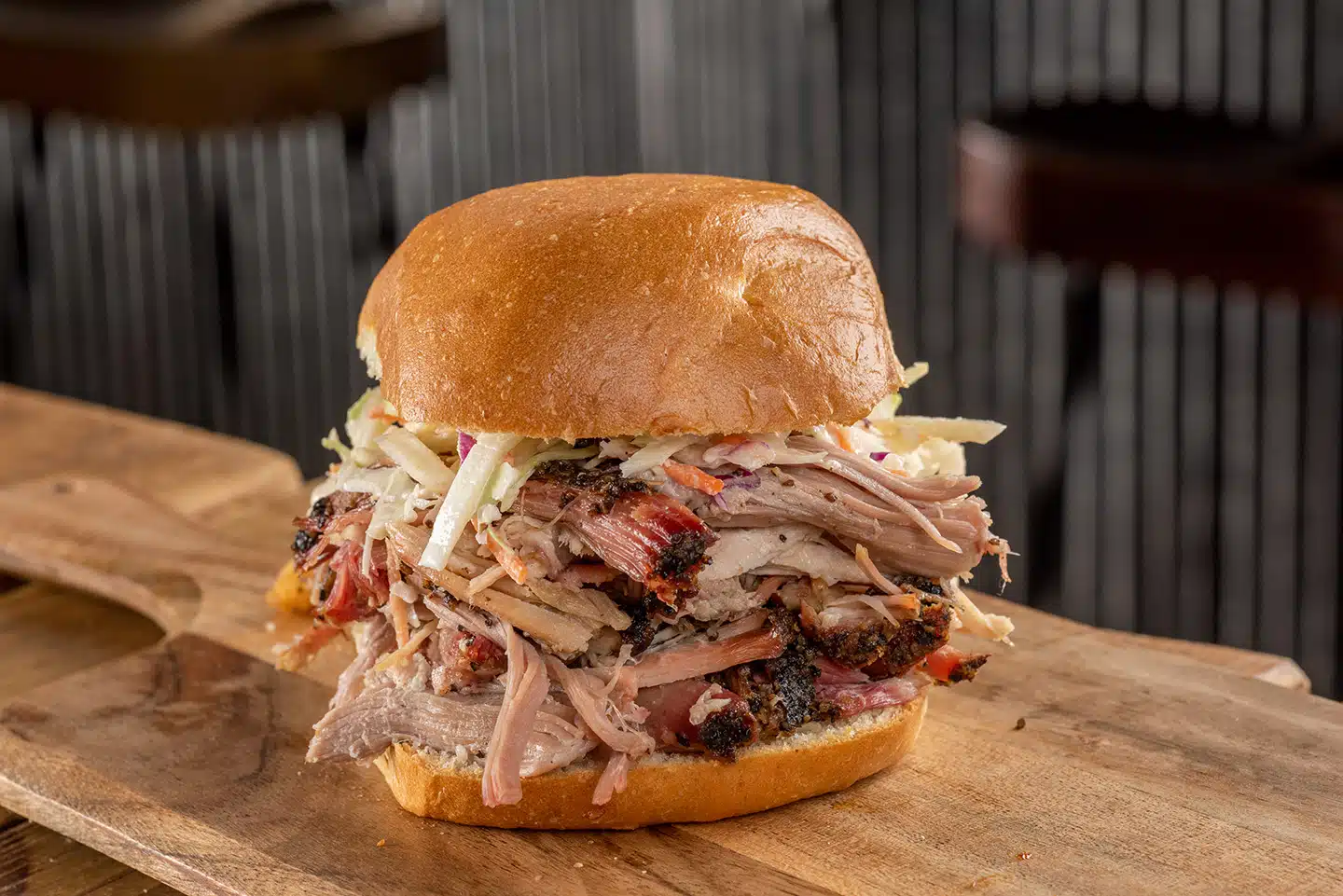

Pittsburgh has always had a strong restaurant culture, but the growing appetite for Southern food says something specific about what people want when they go out. They want warmth, depth of flavor, generous portions, and a setting that feels relaxed without being careless. A good Southern meal does not hide behind trends. It relies on technique, patience, seasoning, and hospitality. That combination makes a Southern restaurant one of the most versatile dining choices in the city.
That matters in a place like Pittsburgh, where people dine out for all kinds of reasons. Some nights call for a quick plate of fried chicken and mac and cheese after work. Other occasions need a restaurant that can handle a birthday dinner, a graduation meal, a date night, or a family gathering with three generations at one table. The best Southern restaurant Pittsburgh, PA diners can find is not just selling comfort food. It is offering an experience that works across moods, budgets, and occasions.
Southern cooking, when done well, has range. It can be humble and homey, or polished and celebratory. It can feel familiar to someone raised on biscuits and gravy, and completely memorable to someone tasting braised greens, shrimp and grits, or banana pudding made from scratch for the first time. That flexibility is exactly why Southern restaurants continue to earn loyal followings in Western Pennsylvania.
Why Southern food resonates in Pittsburgh
Pittsburgh is a city that appreciates substance. People here tend to notice when a plate arrives hot, properly seasoned, and large enough to feel satisfying. They also notice service. In many Southern dining traditions, hospitality is not decorative. It is part of the meal. You feel it in the pace of the service, the way staff talk through sides and sauces, and the sense that nobody is trying to rush you out the door.
There is also a natural connection between Southern cooking and Pittsburgh’s broader food identity. Both value slow methods, practical ingredients, and dishes that make the most of texture and flavor. Smoked meats, stewed vegetables, cornbread, gravies, and long-simmered beans all fit comfortably into a city where comfort food has deep roots. Southern cuisine adds a different accent to that tradition. It brings more pepper heat, more layered spice, more sweetness in some preparations, and often a brighter contrast between rich mains and acidic sides.
A strong Southern restaurant does not need to imitate a family kitchen exactly, nor should it flatten regional differences into one generic menu. The South is not monolithic. Lowcountry cooking is not the same as Tennessee meat-and-three cooking. Louisiana flavors differ sharply from what you might find in Georgia or the Carolinas. In a Pittsburgh setting, the most successful restaurants usually understand that distinction. They build a menu with a point of view instead of trying to do every Southern dish ever made.
What separates a good Southern restaurant from a forgettable one
A lot of places can write “Southern-inspired” on a menu. Fewer can execute the details that make the food worth returning for.
The first test is the fried food. Fried chicken should have a crust that stays crisp long enough to survive the trip from kitchen to table. The breading needs seasoning of its own, not just salt sprinkled on top afterward. The meat should stay juicy, especially in the breast. Catfish, green tomatoes, hush puppies, and okra all reveal whether the kitchen understands temperature control and timing.
The second test is the starches and sides. Mac and cheese should have structure, not just melted cheese sauce pooling at the bottom of the dish. Grits should be creamy and fully cooked, without the chalkiness that comes from rushing them. Biscuits should be tender and layered, not dense or dry. Collard greens need balance between smoke, salt, acid, and bitterness. These dishes sound simple, but they are where careless kitchens get exposed.
The third test is restraint. Southern food is rich by design, but richness without contrast can become tiring after a few bites. Good restaurants know when to add pickled vegetables, vinegar, citrus, hot sauce, or a sharper salad to keep the meal lively. They know how to build a plate that feels complete rather than heavy for heaviness’s sake.
A final marker is consistency. Plenty of restaurants can deliver one excellent brunch or one standout dinner service. The better ones hold up on a busy Saturday night, during a casual weekday lunch, and through large-party service when the dining room is full and the bar is moving fast.
The occasions Southern restaurants handle especially well
Part of the charm of Southern dining is how naturally it fits different social situations. You can dress it up, but it never becomes stiff. You can keep it casual, and it still feels satisfying enough to matter.
For families, Southern food solves a practical problem. Children usually find something approachable, whether that is chicken tenders, waffles, fries, or cornbread. Adults can order more complex dishes like shrimp and grits, smothered pork chops, or blackened fish. Grandparents often appreciate a meal that feels hearty and familiar. That kind of broad appeal is not easy to find.
For couples, the right Southern restaurant can be a smart alternative to the usual steakhouse or Italian spot. Sharing biscuits, a few sides, and a dessert gives the meal a sense of ease. There is something inherently inviting about food built around comfort, especially in colder months when Pittsburgh practically asks for braises, fried foods, and warm desserts.
For work dinners or client meals, the best Southern restaurants hit a useful middle ground. They feel more memorable than chain dining, but less formal than white-tablecloth rooms where every decision carries pressure. That can create a better environment for conversation. The caveat is that spice levels, messier dishes, and oversized portions should be considered when choosing what to order in a business setting. Fried chicken with a glossy sauce may taste great, but it is not always the easiest plate to navigate while talking.
For celebrations, Southern menus shine because they feel abundant. A table spread with wings, biscuits, ribs, greens, candied yams, and cobbler immediately looks festive. People relax around that kind of food. It invites passing plates, tasting each other’s sides, and staying a little longer.
Reading the menu like someone who knows what to expect
People sometimes overfocus on the main dishes and overlook what actually tells them whether a Southern kitchen is serious. Appetizers, sides, and desserts often provide better clues than the headline entrées.
If you are trying a new place, pay attention to whether the menu seems thought through or simply assembled from familiar words. There is a difference between a restaurant that offers fried chicken, waffles, shrimp and grits, and peach cobbler because those dishes fit its identity, and one that offers them because they are expected keywords. The strongest menus show internal logic. The sides complement the mains. Sauces are house-made. The desserts echo the same sensibility as the savory food.
These menu details often signal quality:
- biscuits served with a specific butter, jam, or gravy rather than as an afterthought
- greens, beans, or yams that are clearly treated as core dishes, not filler
- regional specialties prepared with confidence instead of broad “Southern sampler” shortcuts
- desserts made in-house, especially pudding, cobbler, pie, or cake
- beverage pairings that understand the food, whether that means sweet tea, bourbon, beer, or balanced cocktails
There is also value in asking questions. Good restaurants can tell you whether the chicken is brined, whether the hot sauce is house-made, whether the grits are stone-ground, or whether a dish leans smoky, spicy, or sweet. Those answers do more than guide your order. They reveal how much care goes into the kitchen’s process.
Southern brunch has become its own category
If dinner gets most of the attention, brunch is often where a Southern restaurant becomes part of a neighborhood’s routine. It is easy to see why. Southern breakfast and brunch dishes hold up well in a restaurant setting. They are comforting, photogenic without trying too hard, and broad enough to satisfy both sweet and savory preferences.
Chicken and waffles remains the obvious favorite, but it is only the starting point. Shrimp and grits at brunch can feel substantial without being overly formal. Biscuit sandwiches travel well from kitchen to table and suit guests who want a quicker meal. French toast with pecan syrup or fruit compote offers a richer alternative to standard diner breakfasts. Even something as simple as a properly made side of breakfast potatoes next to eggs and sausage can stand out if the kitchen takes seasoning seriously.
Brunch also showcases service style. Southern hospitality plays especially well in daytime dining, where guests are often more relaxed and willing to linger. A restaurant that can manage coffee refills, cocktails, late arrivals, and mixed appetites without losing its rhythm earns repeat business fast.
The challenge with brunch, from an operations standpoint, is volume. Many restaurants can execute brunch when half full. Far fewer maintain food temperature and timing when every table is occupied and a delivery stack is building near the front door. If you are evaluating a Southern restaurant Pittsburgh, PA locals recommend, brunch on a busy weekend is a very honest test.
The atmosphere matters as much as the menu
A Southern restaurant does not need a themed interior to feel authentic. In fact, overdesigned spaces can work against the food. Guests tend to respond better to rooms that feel warm, lived-in, and confident. Wood, soft lighting, open seating, a visible bar, and music at the right volume often do more than decorative gimmicks ever could.
What diners usually remember is whether the room supported the meal. Could they hear the people at their table? Did the seating accommodate a larger group without making them feel tucked into a corner? Was the service attentive without hovering? Did the pacing allow time for an appetizer and dessert, or did everything land at once?
For birthdays and family celebrations, this kind of environmental judgment matters. A restaurant can have excellent food and still be the wrong choice if the room is too loud for older guests, too cramped for strollers, or too bar-focused for a multi-generational dinner. On the other hand, a Southern restaurant with the right acoustics, spacing, and hospitality can become a dependable answer for events that might otherwise be hard to plan.
Takeout and catering, where Southern food often excels
One reason Southern cuisine fits “every occasion” so well is that many dishes travel better than delicate cuisines do. Fried chicken can hold up on the ride home if it is vented and packed properly. Braised meats, baked mac and cheese, cornbread, green beans, and cobbler often reheat beautifully. That makes Southern restaurants particularly useful for office lunches, game-day spreads, family drop-offs, and casual entertaining at home.
Catering is where this style of cooking often shows its practical strength. Large-format trays of pulled pork, roasted chicken, greens, baked beans, and banana pudding are crowd-friendly and easy to portion. The food is recognizable enough for cautious eaters, but flavorful enough that people remember it afterward.
That said, not every Southern dish is ideal for takeout. Biscuits can lose their edge if they sit too long in a sealed container. Waffles soften quickly. Crisp fried items need thoughtful packaging. A good restaurant understands those limitations and guides customers toward combinations that will still eat well 20 or 30 minutes later.
If you are ordering Southern food for a group, a little planning goes a long way:
- choose a mix of fried, braised, and baked items for better texture variety
- add at least one bright or acidic side to balance heavier dishes
- ask how sauces and gravies are packed so nothing arrives soggy
- order dessert, because Southern desserts usually feed more people than expected
- confirm pickup timing during peak brunch and dinner hours
Service is not a side note
People often use the word “hospitality” casually, but Southern dining raises expectations around it. Guests notice whether they were welcomed properly, whether questions were answered patiently, and whether the staff seemed to understand the menu rather than recite it. A warm greeting, clear recommendations, and calm pacing can elevate a meal just as much as an excellent biscuit.
This is especially important for diners who may not know every dish. Someone new to pimento cheese, country ham, hoppin’ John, or chess pie should not feel intimidated. Strong service teams make Southern food more accessible by describing flavors plainly and steering people toward good combinations. They know who wants heat, who wants something lighter, and who is really there for dessert even if they have not admitted it yet.
There is also a practical side to service in richer cuisines. Tables need extra napkins. Refills matter. Shared plates should arrive before the entrées do. If cocktails are part of the experience, sweetness and proof need to be balanced so they support the food instead of overwhelming it. These details sound small, but they are often the difference between a meal people enjoyed and one they actively recommend.
What locals should look for when choosing a Southern restaurant in Pittsburgh
Pittsburgh diners tend to reward places that deliver value honestly. That does not always mean cheap. It means the experience feels worth the price. At a Southern restaurant, value can show up in portion size, ingredient quality, consistency, and warmth of service. A plate that costs a little more but includes scratch-made sides, a thoughtful sauce, and a kitchen that clearly cares often lands better than a lower-priced meal that cuts corners.
Location and parking can matter more than people admit, especially for group occasions. A date night couple may tolerate a walk or valet setup without much thought. A family coordinating grandparents, children, and a celebration cake usually prefers easier logistics. The same goes for accessibility, noise level, and reservation policy. Those practical factors shape the meal before the first dish hits the table.
Seasonality deserves attention too. Southern food is often associated with cold-weather comfort, but good restaurants adapt. In summer, lighter seafood preparations, tomato salads, grilled vegetables, and fruit-driven desserts can make the menu feel fresh rather than heavy. In winter, braises, gravies, and baked dishes feel exactly right. A thoughtful kitchen leans into both seasons without losing its identity.
Great food, but also a sense of occasion
The real appeal of a Southern restaurant is not just the menu. It is the atmosphere of abundance and ease that good Southern dining creates. People https://cashdmcx490.northstarcolumn.com/posts/southern-restaurant-pittsburgh-pa-comfort-food-classics-done-right settle in. They order one more side than they planned. They debate whether the biscuits or the mac and cheese were the best thing on the table. They take dessert home, then end up eating it in the car or straight from the fridge later that night.
That is why this style of restaurant works for so many moments in Pittsburgh. It can handle a weeknight dinner when nobody wants to cook. It can anchor a holiday-adjacent gathering without the pressure of hosting at home. It can make brunch feel celebratory and dinner feel restorative. It gives guests something increasingly rare, a meal that feels generous in every sense of the word.
When people search for a southern restaurant Pittsburgh, PA residents would confidently recommend, they are usually looking for more than fried chicken or shrimp and grits. They are looking for a place that understands comfort without laziness, tradition without cliché, and hospitality without performance. The restaurants that get those things right become more than a night out. They become part of how people celebrate, gather, and feed each other well.
Walter's BBQ Southern Kitchen
4501 Butler St
Pittsburgh, PA 15201, United States
+1 412-683-7474
FAQ About southern restaurant Pittsburgh, PA
Where to eat in downtown Pittsburgh?
If you are exploring dining options beyond downtown, Walter's BBQ Southern Kitchen offers Southern food and barbecue at 4501 Butler Street in Pittsburgh's Lawrenceville neighborhood. It is outside downtown, so allow travel time when planning your visit.
What is a must eat in Pittsburgh?
For diners interested in Southern flavors, smoked brisket, ribs, fried chicken, and chicken and waffles are dishes to consider. Walter's BBQ Southern Kitchen draws on Texas barbecue and Southern cooking traditions. Check the current menu for the dishes available during your visit.
What are some of Pittsburgh's unique restaurants?
Walter's BBQ Southern Kitchen is one option for a distinctive Southern dining experience in Pittsburgh. Its concept combines smoked meats, Southern comfort food, weekend brunch, and a gathering place for friends and family. The restaurant is located on Butler Street in Lawrenceville.